

Power Across the Ages: How La Chiave Verde Is Turning Batteries into Village Renewal
Two thousand years ago, someone near ancient Baghdad built a clay jar with a copper cylinder and an iron rod that could generate electricity — a primitive battery. Around the same time in China, Han Dynasty engineers created bronze lamps that pulled smoke into water to protect indoor air quality — an early example of eco‑design.
Both inventions carry the same message: technology is a moral choice. How we power our lives reveals what we value.
Today, in the hills of Southern Italy, La Chiave Verde — “The Green Key” — is bringing that insight into the heart of Europe’s clean energy transition.
Europe’s Battery Moment, Seen from a Village
Across Europe, battery manufacturing is booming. Electric vehicles, grid storage, and ambitious climate policies have turned energy storage into a strategic priority. At the same time, recent wars and fuel price shocks have shown how vulnerable Europe is to imported fossil energy.
Batteries promise resilience and independence. But the real test is this: Can the battery revolution help the small, struggling communities that are usually left behind?
That’s exactly where La Chiave Verde comes in.
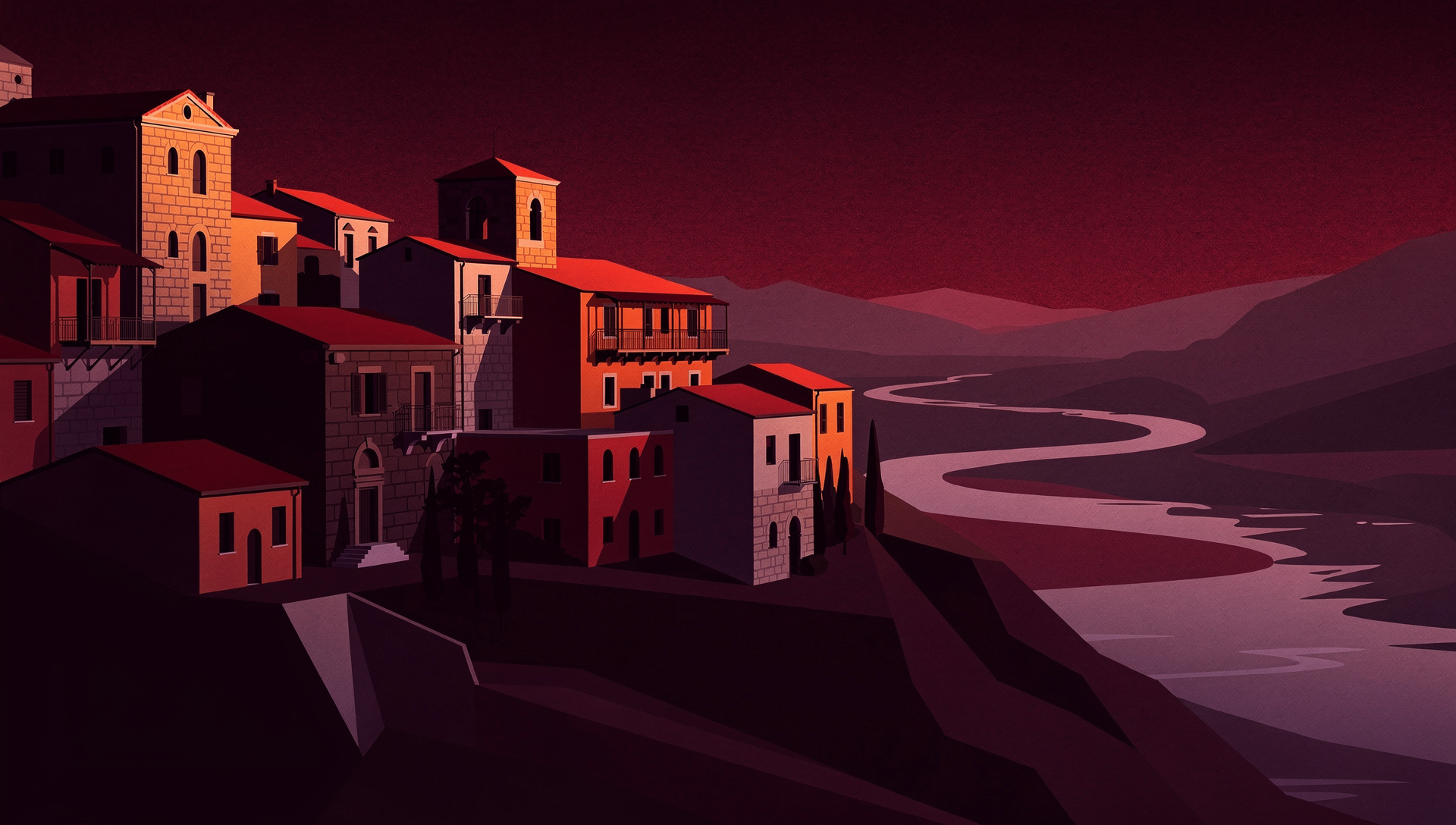
La Chiave Verde: The Green Key in Calabria
Based in Cropani, in Calabria’s Crocchio River Valley, La Chiave Verde has a clear mission:
Use renewable energy and battery storage to revitalize shrinking villages and restore quality of life.
Calabria’s towns are beautiful but fragile: aging populations, young people leaving, inefficient historic homes, high energy costs. La Chiave Verde treats these not as tragedies, but as design challenges.
Its method is simple and replicable:
Listen & Analyze – Conduct energy audits, talk with residents, understand real needs.
Install Solar + Batteries – Add rooftop solar (often integrated with historic roofs), battery storage, and efficiency upgrades.
Create Smart Microgrids – Link homes into community energy systems that manage when to store, share, or draw power.
Ensure Community Ownership – Structure projects so locals co‑own their energy infrastructure and its benefits.
The impact is substantial:
Targeting around 73% energy self‑sufficiency for pilot households
Up to 60% lower energy bills with solar plus storage
About 85% lower CO₂ emissions per renovated home
For a village, that’s the difference between slow abandonment and a fair shot at renewal.
Batteries as Social Infrastructure
In big cities, batteries are often viewed as industrial assets or EV components. In places like Cropani, they’re social infrastructure:
They make staying in your hometown financially viable.
They create local jobs in installation, maintenance, and sustainable tourism.
They protect families from energy price shocks and blackouts.
By pairing modern storage — often lithium iron phosphate today, and potentially sodium‑ion or long‑duration technologies tomorrow — with community ownership, La Chiave Verde turns the energy transition into a lived experience, not an abstract policy.
A Bridge Between China and Europe
La Chiave Verde also sees itself as part of a longer, global story:
Ancient China’s eco‑spirit in designing smoke‑absorbing lamps
Marco Polo’s cultural and technological bridge between East and West
Modern China’s leadership in batteries and solar
Europe’s strict standards for clean, traceable, circular energy systems
Rather than framing this as competition, La Chiave Verde is building partnerships with Chinese battery innovators that can meet European regulations — especially in chemistries like sodium‑ion and LFP that are ideal for village‑scale storage.
A Vision for 2030
By 2030, La Chiave Verde aims to:
Transform 100 villages across Calabria and similar regions
Install 50 MWh of storage in community hubs and homes
Help 5,000 residents stay rooted in their communities
Power Italian villages with Chinese‑partnered, regulation‑compliant batteries
The core idea is simple: the green key doesn’t open just one door — it opens many. Each microgrid, each renovated house, each returning family is another door opened to a viable rural future.
From ancient clay jars and bronze lamps to solar tiles and community batteries, the thread is continuous: we can choose technologies that protect people, landscapes, and ways of life.
In Calabria, La Chiave Verde is proving that even the smallest villages can hold that key.